



Social Media Checks can be an invaluable tool for both individuals and businesses to monitor online presence and reputation.
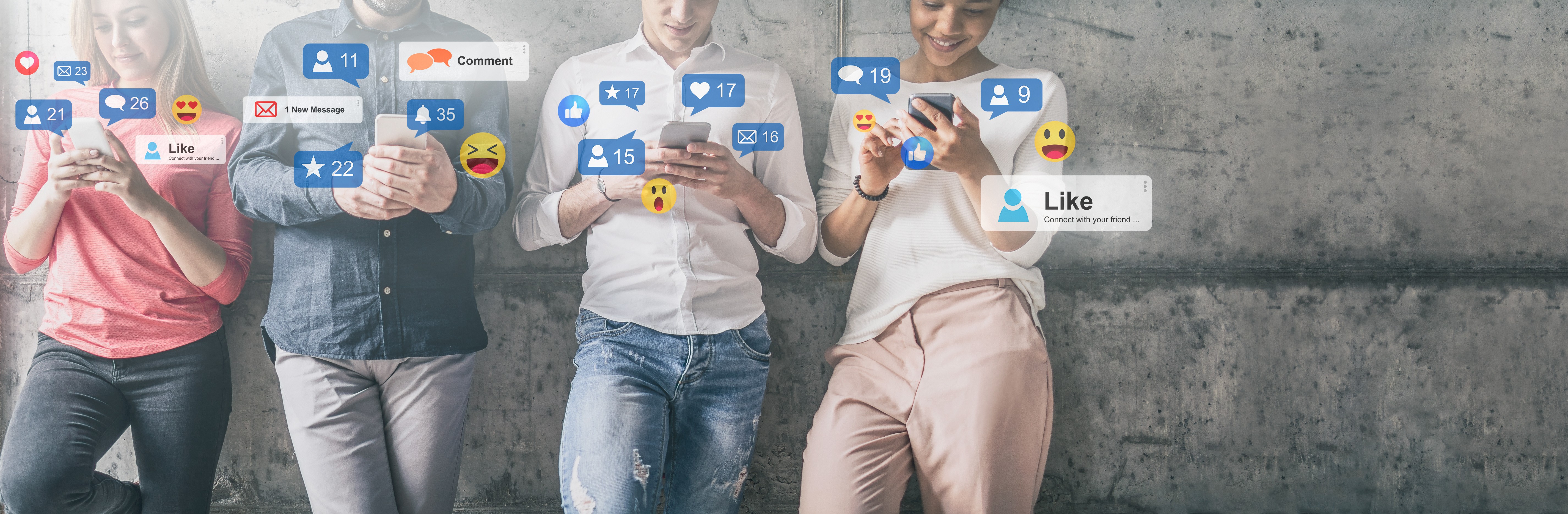
More employers are implementing Social Media Checks to screen potential employees. These checks involve reviewing a candidate’s social media profiles to assess factors like professionalism, communication style, cultural fit, and any potential red flags, such as inappropriate behavior, discriminatory comments, or illegal activities.
Social media checks can complement traditional background screening methods, offering employers a broader perspective of a candidate beyond their resume and interview performance. However, they must be conducted carefully, adhering to legal guidelines like privacy laws and non-discrimination policies, ensuring that only publicly available information is reviewed and that the process is consistent for all candidates.
While these checks offer valuable insights, they also present challenges, such as potential bias or misinterpretation of content. As a result, many companies use third-party screening services to ensure compliance and minimize risks associated with social media checks.
Social Media Checks refer to the practice of employers or other entities using social media platforms to gather information about an individual’s online presence, behavior, and activities. These checks have become increasingly common as social media platforms have gained popularity and people have shared more of their personal lives online.
The purpose of social media checks can vary depending on the context:
- Employment screening: Some employers may conduct checks as part of their hiring process to gain insights into a candidate’s character, behavior, and potential risks that may not be evident from a traditional CV or interview.
- College admissions: Some educational institutions may use media checks to verify information provided by applicants and to assess the character and suitability of potential students.
- Tenant screening: Landlords or property management companies may conduct checks on prospective tenants to assess their rental application and evaluate potential risks.
- Online dating: Individuals engaging in online dating may perform checks on potential partners to gain more information about their interests, lifestyle, and overall authenticity
It’s crucial to consider certain ethical and legal implications when conducting social media checks:
- Privacy concerns: Media checks can potentially infringe on an individual’s privacy, especially if the information used in the decision-making process is unrelated to the purpose of the check.
- Discrimination: Relying on media checks alone can lead to biased decisions based on factors such as race, religion, gender, or other protected characteristics.
- Accuracy of information: Information found on social media may not always be reliable or up-to-date, and there is a risk of mistaking or misinterpreting data.
- Legal regulations: Jurisdictions may have specific laws regarding the use of social media information in the decision-making process, especially when it comes to employment or tenant screening. Employers and other entities should be aware of these laws to avoid legal consequences.
If you are concerned about your employees online presence and how it might be affect your company please feel free to contact us for more information about our Social Media Checks.