




17/11/2023
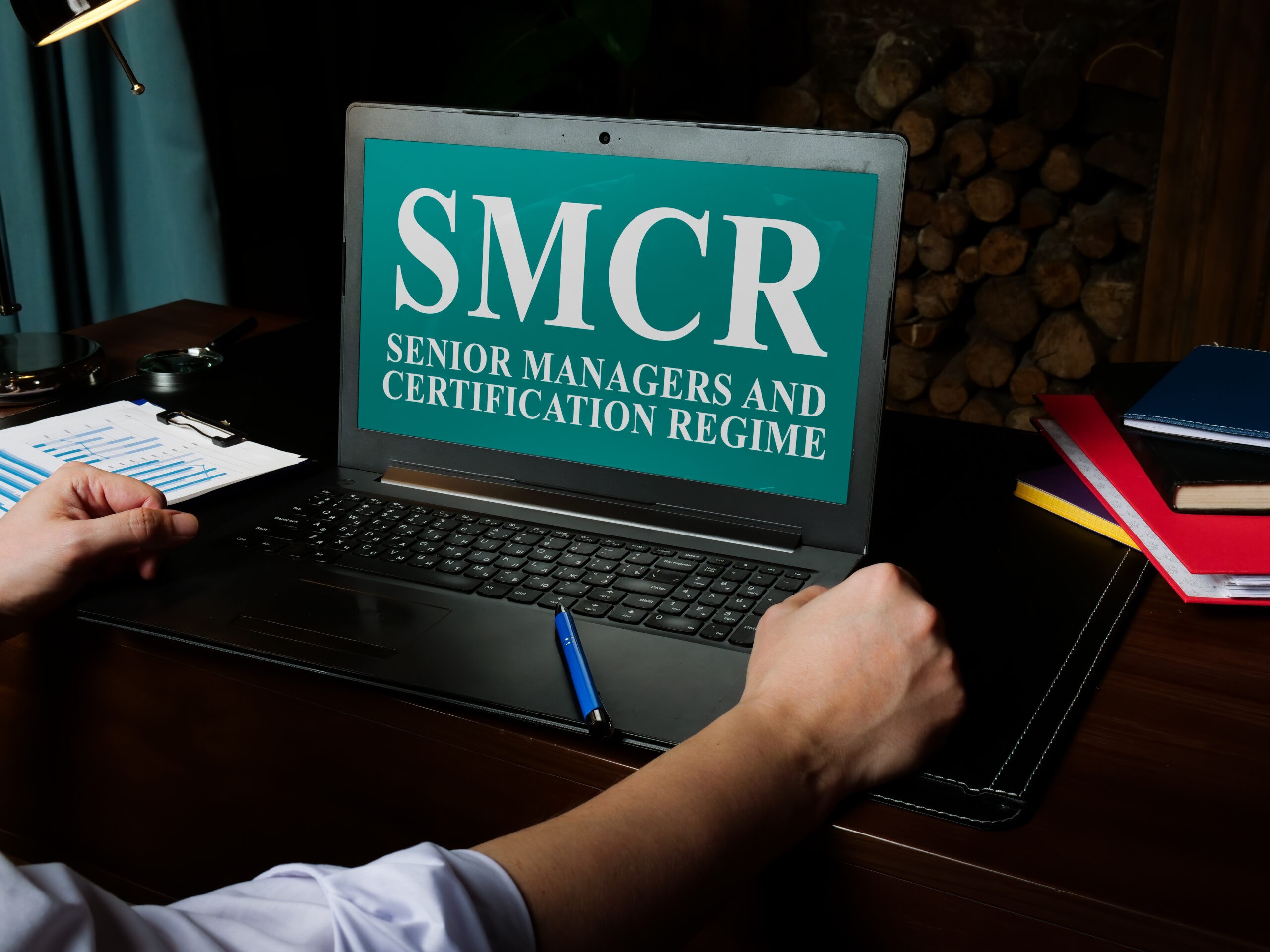
SMCR Screening
– The Senior Managers and Certification Regime (SMCR) is a regulatory framework implemented by the Financial Conduct Authority (FCA) in the United Kingdom. It is designed to enhance individual accountability within financial services firms, promote a culture of responsibility, and improve the overall governance of these institutions. Here are some key aspects of the FCA’s SMCR:
Senior Managers Regime (SMR):
Senior Management Functions (SMFs): The SMR requires firms to identify specific individuals who hold key senior management roles, known as Senior Management Functions. These roles have clearly defined responsibilities.
Statements of Responsibility (SoR): Senior Managers are required to have a Statement of Responsibility, a document outlining their individual responsibilities within the firm. This helps ensure clarity about who is responsible for what.
Responsibilities Maps: Firms are also required to maintain Responsibilities Maps, which provide an overview of the firm’s management and governance arrangements. These maps visually depict the allocation of responsibilities among senior managers.
Certification Regime:
Certification Functions: The Certification Regime applies to individuals who are not Senior Managers but who perform roles that could pose a risk of significant harm to the firm or its customers. Firms are responsible for assessing and certifying the fitness and propriety of individuals in such roles.
Fit and Proper Assessments: Firms need to conduct annual assessments to ensure that individuals in certification roles remain fit and proper to carry out their responsibilities.
Conduct Rules:
Individual Conduct Rules: The Conduct Rules set out the standards of behavior expected of individuals working in financial services. There are both general and specific rules that individuals must adhere to.
Training and Reporting: Firms are required to train their staff on the Conduct Rules and report any breaches to the regulators.
Implementation:
Rollout to Different Sectors: The SMCR was initially implemented in the banking sector and later extended to other financial services sectors, including insurance and asset management.
Timeline: The timeline for implementation varied for different sectors, and firms had specific deadlines to comply with the new rules.
The Senior Managers and Certification Regime (SMCR) is important for several reasons, primarily aimed at enhancing accountability, governance, and conduct within financial services firms. The significance of SMCR lies in its potential to address issues related to individual responsibility, cultural reform, and the overall stability and integrity of the financial services industry. Here are some key reasons why SMCR is considered important:
Individual Accountability:
Senior Managers: SMCR holds senior individuals within financial firms accountable for their actions and decisions. By clearly defining responsibilities through Statements of Responsibility and Responsibilities Maps, it becomes easier to attribute accountability in the event of regulatory breaches or misconduct.
Enhanced Governance:
Improved Oversight: The regime encourages firms to establish robust governance structures, promoting a more transparent and accountable decision-making process.
Clear Reporting Lines: Clearly defined roles and responsibilities help establish effective reporting lines, reducing ambiguity in decision-making and oversight.
Cultural Change:
Promoting Ethical Conduct: The Conduct Rules and the overall ethos of the SMCR aim to instill a culture of integrity, professionalism, and ethical conduct within financial institutions.
Shift in Corporate Culture: Fostering a culture of responsibility and accountability can contribute to a positive shift in the corporate culture of financial firms.
Risk Mitigation:
Identification of Key Roles: By identifying key individuals and functions, the SMCR helps firms to recognize and address potential risks to the business and its customers.
Fit and Proper Assessments: Regular assessments of individuals in certified roles contribute to risk mitigation by ensuring that only competent and ethical individuals hold positions that could pose a risk of significant harm.
Customer Protection:
Improved Customer Outcomes: The emphasis on individual accountability and ethical conduct is designed to improve customer outcomes by reducing the likelihood of misconduct that could harm clients.
Regulatory Compliance:
Meeting Regulatory Expectations: Compliance with the SMCR is a regulatory requirement for relevant financial services firms. Adhering to the regime ensures that firms meet the expectations set by the Financial Conduct Authority (FCA) and other regulatory bodies.
Industry Reputation:
Rebuilding Trust: In the aftermath of financial crises and corporate scandals, SMCR contributes to rebuilding trust in the financial services industry by promoting a higher standard of behavior and responsibility.
Flexibility Across Sectors:
Adaptability: The SMCR is designed to be adaptable across different sectors within the financial industry, recognizing the diverse nature of financial services and tailoring requirements accordingly.
While the initial implementation of SMCR focused on the banking sector, its extension to other sectors demonstrates its importance in creating a more accountable and responsible financial services industry overall. Keep in mind that developments in regulatory frameworks can occur, and staying informed about any updates to the SMCR is essential.
If you require further information regarding the SMCR standard UK Employee Checks are here to help you. Please feel free to reach out to us via our contact page or by calling us.



Recent Comments